
A shoe can start the conversation
RetailTrends’ May 2019 interview described a Sportlife collaboration using schoolyard gum collection points with murals. Mediamatic’s Let’s Gum Together article explains Gumdrop’s collection containers and processing loop. Both accounts concern gum collection; neither creates a present-day take-back service for complete GUMSHOE footwear.
The useful link is between message and action
A surprising object attracts attention. A clear collection point gives someone a specific alternative to dropping gum. A real service then has to handle the collected material. These are separate tasks: communication, convenience and operations. Removing any one of them makes the idea harder to use.
A location brief for a real operator
- Confirm who operates the service and which waste items it currently accepts.
- Agree the container location, access, permission and servicing responsibility.
- State the accepted input on the sign; do not imply that every gum-related object belongs inside.
- Define the collection schedule and where full containers go.
- Record a local observation before and after the intervention using the same area and method.
This is an editorial planning checklist, not an active collection offer. Ask the operator for current service terms before ordering equipment or organising a return.
A worked signage example
Start with four fields: accepted item; operator; servicing route; support contact. Fill each from the actual agreement. For example, “used chewing gum” is an input label, not permission to include wrappers, bottles or complete shoes. If the service does not accept footwear, the sign should not imply that it does.
Measure your own location
Use the same marked area and observation interval each time. Record counts, the servicing dates and any change to access or footfall. Do not import a reduction figure from another site as your result. A modest, clearly described observation is more useful than a borrowed success percentage.
A school example: observation before expansion
A two-page éducation21 case from September 2019 describes a five-month interdisciplinary project with about ten apprentices in Geneva. They investigated gum around their school, adapted their awareness campaign after finding removal difficult, and made small collection containers from reused materials. The document cites GUMSHOE as an example; finding a processing partner was still a next step, not a completed footwear-recycling result.
For a comparable project, make one observation sheet per location: area boundary; observation date; existing litter count; container position; accepted material; responsible adult; servicing interval; and processor confirmation. Record counts again using the same boundary and method. Keep observations separate from guesses about how many shoes the collected material could produce.
Worked example: a team chooses one marked entrance area, counts visible gum before installing a permitted container, and repeats the count after an agreed interval. If litter falls but no processor has accepted the material, report the litter observation only. Do not label the container a closed recycling loop yet.
A local observation belongs to its place
The April 2020 Ruggell municipal newsletter reproduces a 7 March 2020 report that discusses local litter and refers to GUMSHOE. Its description of Ruggell is not a measurement of Amsterdam or of your proposed collection site. Use that distinction in an observation record: name the place, date, observer and evidence before drawing conclusions.
Example entry: “Site A, entrance pavement, Monday 09:00; gum-like marks observed, photograph attached; material identity and disposal route not yet confirmed.” Next, ask the site manager who can check the material and whether the intended processing partner accepts that stream. Do not send a batch merely because another town’s report mentioned gum recycling. The newsletter’s performance statements are not a substitute for a shoe test or component specification.
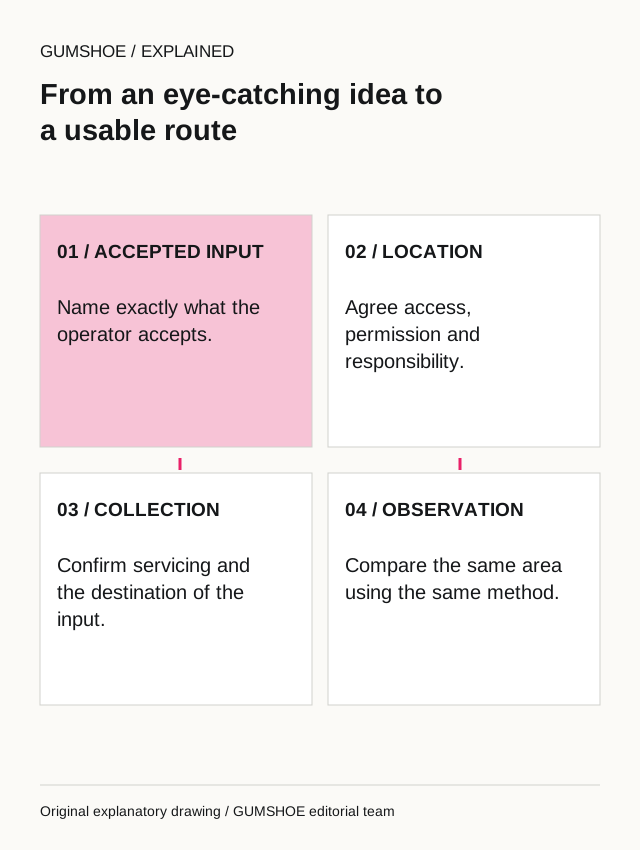
- 01 / ACCEPTED INPUT: Name exactly what the operator accepts.
- 02 / LOCATION: Agree access, permission and responsibility.
- 03 / COLLECTION: Confirm servicing and the destination of the input.
- 04 / OBSERVATION: Compare the same area using the same method.
Sources & image credits
Original GUMSHOE photography and project images are used with the owner’s permission. New diagrams are original explanatory work.