Keep two loops separate
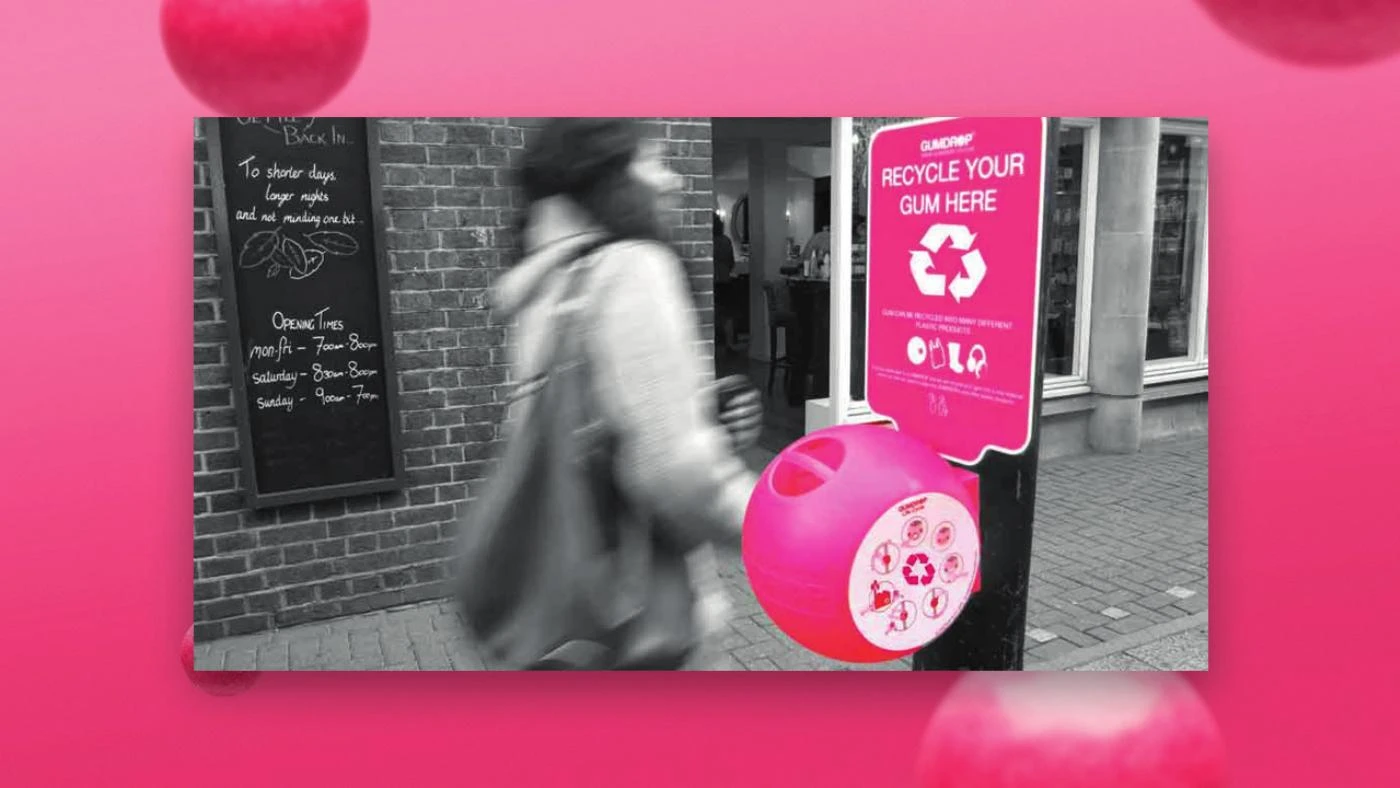
Gumdrop’s brochure describes collecting chewing gum and processing it into new compounds and products. That collection loop accepts the inputs defined by the service. It does not automatically accept a finished GUMSHOE pair with its upper, laces, lining and assembled sole.
Recycled content describes an input. Recycling after use depends on a route that accepts the complete item or specified components. Keep these two questions separate when planning what to do with a pair.
First decide whether the pair can stay in use
- Assess its condition and whether it remains suitable and comfortable for wear.
- Ask an appropriate repair professional about a specific repair; do not assume all constructions can be repaired.
- If passing the pair on, disclose condition and size accurately.
- If it cannot be used, check what your local collection service accepts before depositing it.
Questions for a collection route
- Does it accept footwear, and in what condition?
- Does it accept complete pairs or only specified material streams?
- Is there a documented sorting or processing route?
- Are shipping, drop-off or contamination requirements specified?
A useful example
A collection bin designed for used chewing gum should not be treated as a shoe recycling bin. Even if a sole uses a material developed from gum waste, the complete shoe is a different item. Ask the collection operator for the accepted items before taking action.
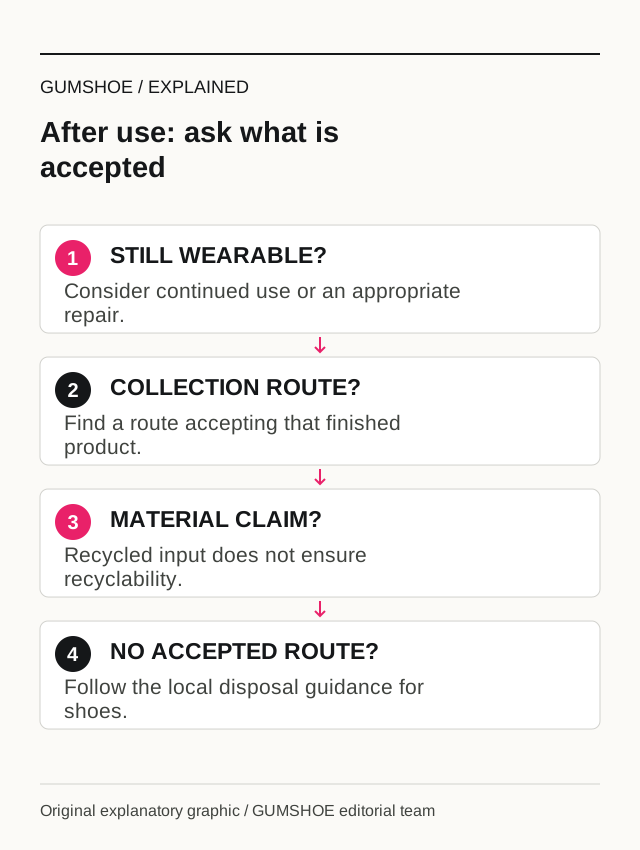
- STILL WEARABLE?: Consider continued use or an appropriate repair.
- COLLECTION ROUTE?: Find a route accepting that finished product.
- MATERIAL CLAIM?: Recycled input does not ensure recyclability.
- NO ACCEPTED ROUTE?: Follow the local disposal guidance for shoes.
Sources & image credits
Original GUMSHOE photography and project images are used with the owner’s permission. New diagrams are original explanatory work.