The context in Fjord Trends 2019
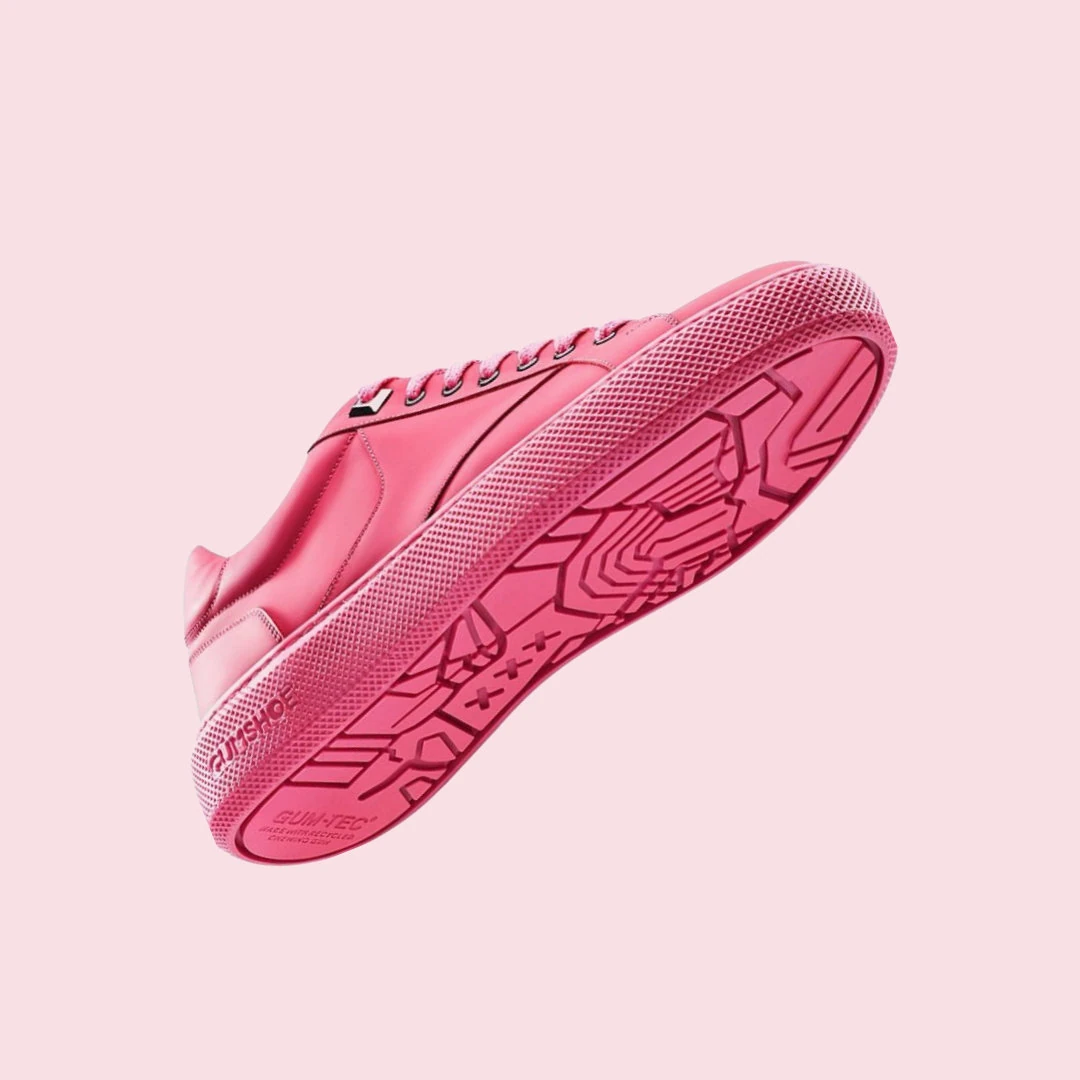
Fjord Trends 2019 mentions Gumshoe in its discussion of companies rethinking waste and their wider impact. The short example points to gum from Amsterdam’s streets becoming a shoe material. The full report covers many sectors; its broader statistics are not GUMSHOE product measurements.
Translate an idea into a product question
Instead of beginning with “make a sustainable sneaker”, begin with a more specific question: can a named waste stream become a useful component? Then define what the component has to do, which input can be traced and what records would let someone evaluate the result.
GUMSHOE makes that question visible through its sole and city reference. It gives readers an object to inspect, rather than leaving the idea as an abstract claim.
A brief you can actually use
| Part of the brief | Prompt |
|---|---|
| Input | What exact waste stream is being used? |
| Component | Where does it go in the product? |
| Function | What does that component need to do? |
| Evidence | Which records connect the input and finished component? |
| Use | What fit, care and condition information does the user need? |
| After use | Which real repair, reuse or collection route is available? |
Worked example: a sole
Input: the gum waste described in the GUMSHOE project. Component: outsole. Material expertise: Gumdrop’s Gum-tec compounds. Visible design: Amsterdam map pattern. Remaining questions: model-specific composition, performance data, fit and an end-of-use route.
This example keeps the documented facts and open questions side by side. It does not invent a life-cycle result or turn the source into a factory audit.
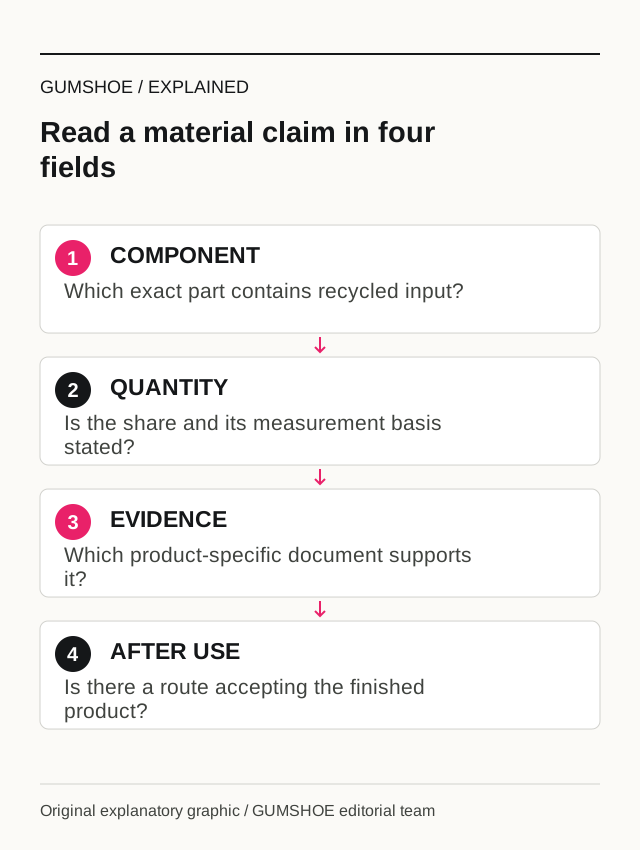
- COMPONENT: Which exact part contains recycled input?
- QUANTITY: Is the share and its measurement basis stated?
- EVIDENCE: Which product-specific document supports it?
- AFTER USE: Is there a route accepting the finished product?
Sources & image credits
Original GUMSHOE photography and project images are used with the owner’s permission. New diagrams are original explanatory work.