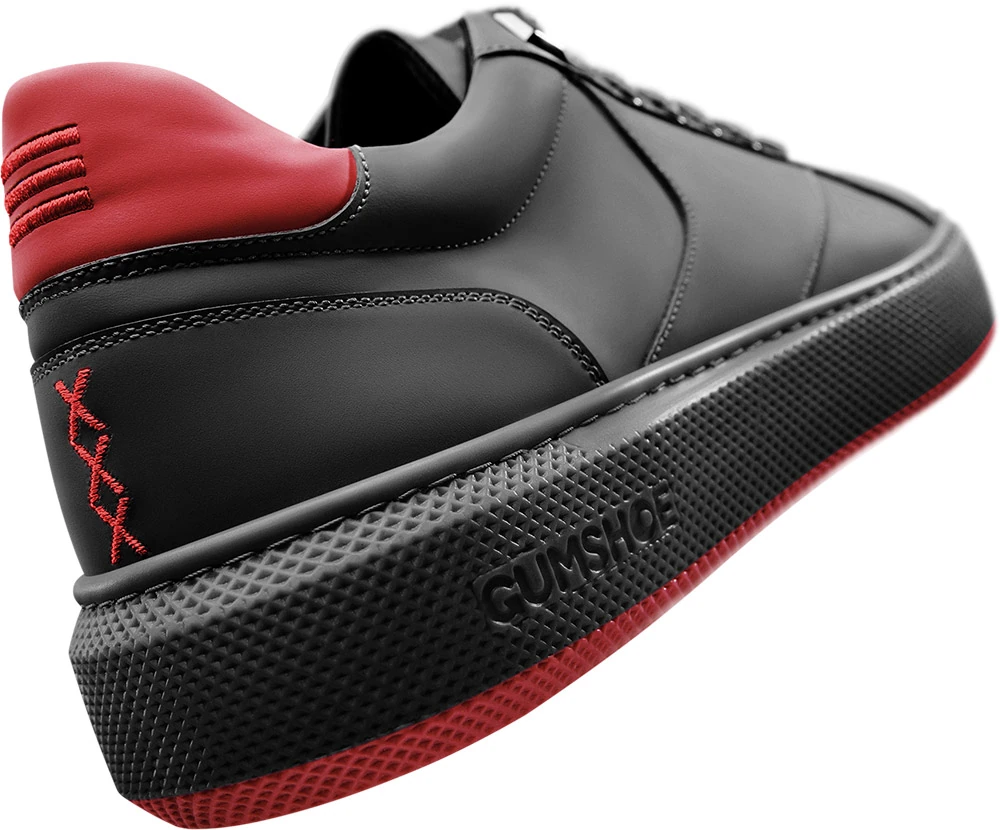
Begin with the exact item
A brand photograph tells you what a design looks like. A photograph of the pair being offered tells you about that pair. For a new, older-stock or previously worn shoe, ask which kind of image you are looking at and what condition is being offered.
The original pink and black product photographs are helpful design references. They cannot establish a seller’s possession, a batch number or the condition of a pair not shown in those photographs.
Ask for a useful photo set
- Both shoes together, with colour visible in neutral light.
- Size and product labels, legible without unnecessary personal information.
- Each outsole, heel and side profile.
- Close-ups of any visible wear, marks, repair or separation.
- The packaging and any product-specific documents included in the sale.
Record the answer before paying
| Item | Record |
|---|---|
| Identity | Model, colour and label exactly as shown |
| Condition | New, older stock or used, and any disclosed defects |
| Contents | Pair, packaging and documents included |
| Fit | Size system and fit information for that model |
| Order | Seller, total, delivery route and return terms |
A collector’s example
You are offered a black pair using a campaign photo. Ask for current photos of the exact pair, the labels and both soles. If the seller calls it limited, ask what edition identifier and documented production quantity support that word. A high asking price alone does not establish rarity.
Keep your claim proportional
A matching colour and outsole pattern help compare visible design. They are not a substitute for an authentication service or manufacturer confirmation. Do not describe a pair as authenticated solely because it resembles a photograph on this site.
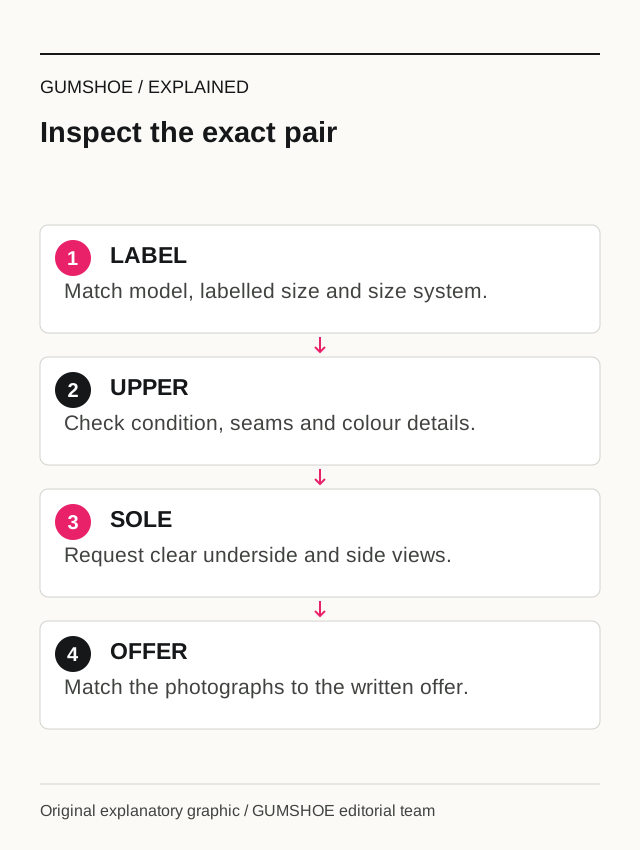
- LABEL: Match model, labelled size and size system.
- UPPER: Check condition, seams and colour details.
- SOLE: Request clear underside and side views.
- OFFER: Match the photographs to the written offer.
Sources & image credits
Original GUMSHOE photography and project images are used with the owner’s permission. New diagrams are original explanatory work.