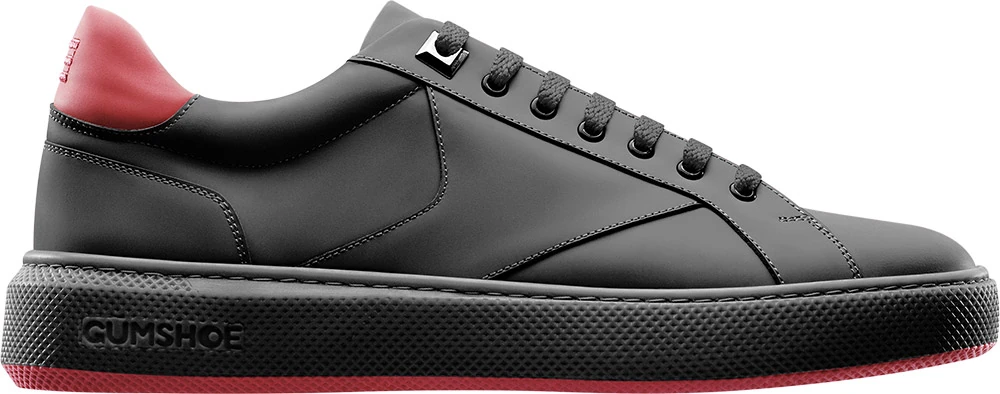
Start with the instructions supplied for your pair
A recycled material story is not a cleaning manual. The original GUMSHOE website does not supply a complete care specification for every component or batch. Ask the seller for instructions that apply to the shoe you have, and keep them with your order record.
The recovered photographs show multiple components and finishes. A method suitable for an outsole is not automatically suitable for the upper, lining, glue or decorative stitching.
A low-risk inspection routine
- Check the pair in good light before doing anything: note the material labels and existing marks.
- Remove loose surface dust gently with a dry soft cloth, where the supplied instructions allow it.
- Follow the named care method for the relevant component; test any permitted product as its instructions require.
- Stop if colour transfers, a finish changes or a joint appears loose.
- Record the issue and contact the seller before trying a stronger product or a repair.
Avoid a material experiment on your shoe
- Do not infer machine-washing permission from the use of recycled material.
- Do not assume that solvents, strong heat or abrasive tools are safe for the assembled pair.
- Do not treat chewing-gum removal advice for pavements as footwear care advice.
- Do not promise that a household method is tested on GUMSHOE unless it actually has been.
Keep a short care record
| Field | What to write |
|---|---|
| Pair | Model, colour, size and order reference |
| Starting condition | Date and photographs of the issue |
| Instruction | Supplier’s named method and applicable component |
| Action | Product used, if permitted, and what you did |
| Result | What changed, including any adverse effect |
This worksheet is a general conservative process. It does not replace product-specific instructions or establish a durability guarantee.
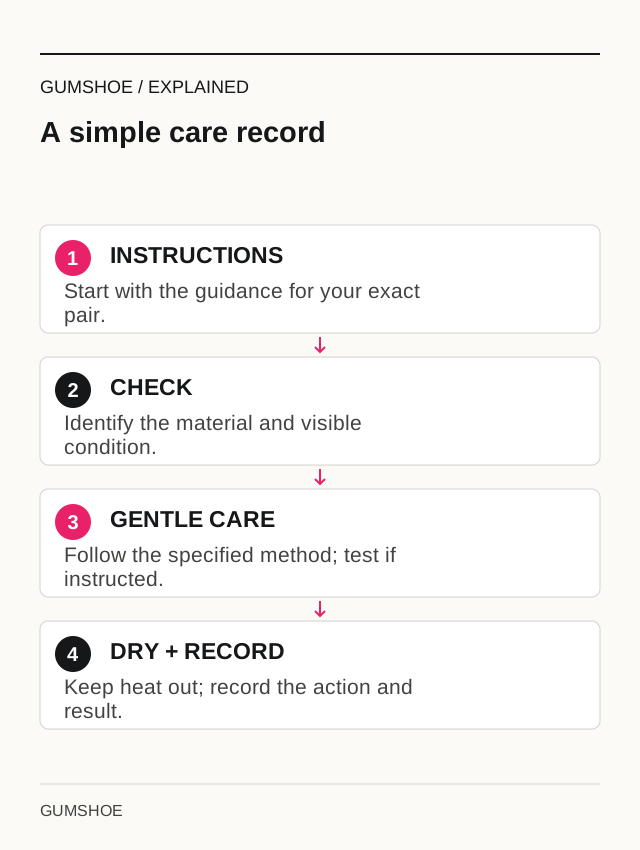
- INSTRUCTIONS: Start with the guidance for your exact pair.
- CHECK: Identify the material and visible condition.
- GENTLE CARE: Follow the specified method; test if instructed.
- DRY + RECORD: Keep heat out; record the action and result.
Sources & image credits
Original GUMSHOE photography and project images retain their source credits. New diagrams are original explanatory work.
Make a heel observation record before trying a repair
A photograph can help describe a heel problem, but cannot establish the cause, material strength or a safe repair. Use this record for your own pair; do not copy a historical product photo as evidence of its current condition.
- Record the pair's identifying details privately and note the date. In ordinary good light, describe the visible location of the issue without pressing, bending or pulling a loose part.
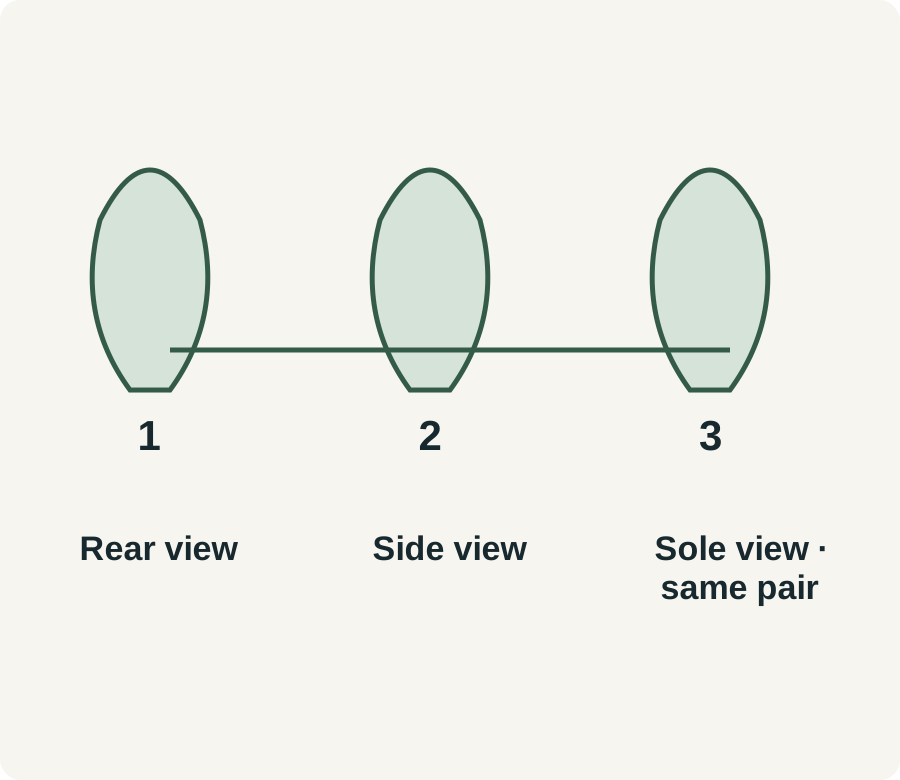
- If appropriate, make rear, side and sole views of the same shoe. Keep the starting condition separate from any later action. Do not continue wearing or testing a pair you consider unsafe merely to complete the record.
- Ask the seller which instructions apply to that exact pair. Do not infer that glue, heat or a household cleaning product is permitted.
Fictional record: rear view shows a mark beside the heel; side view shows its location relative to a seam; sole condition has not been inspected. Cause and repair method remain unknown. The next step is a product-specific question, not a claim that the material has failed a durability test.
Keep views/date __; visible observation __; uninspected area __; supplied instruction __; question to seller __. This adds no SKU, warranty decision, cleaning specification or promise about current stock.
Source: gumshoe.amsterdam.
Describe a colour observation without declaring that it faded
“A pale area is visible” records an appearance. “The shoe has faded” adds a claim about change over time. Keep those statements separate when describing condition to the seller. The material’s development story is not a test of your pair, and a manufacturer’s compound family does not establish the condition of an individual shoe.
- Identify the same pair and component privately. Record the date and the visible observation before cleaning, altering or testing anything. Use ordinary good light; do not bend or stress a questionable joint to get a photograph.
- For a time comparison, check whether the views show the same component, angle and broadly comparable light. A brighter photograph can make an area appear paler without establishing a material change.
- Use words that describe what is visible: “lighter area beside the seam”, “line on the outer surface”, or “gap visible at the edge”. Leave “bleached”, “cracked through”, “defective” and the cause unresolved unless there is supporting evidence.
- Send the seller a concise question through the agreed route, keeping order identifiers out of any public copy. Ask which instructions apply; do not turn this record into an experiment with solvents, glue or heat.
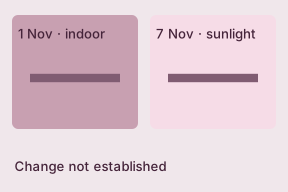
Completed fictional comparison: record A: left shoe, outer side, 1 November, indoor photo; a pale area is visible beside a seam. Record B: same side, 7 November, direct sunlight; the area looks brighter. No cleaning or material test is recorded. Conclusion: the photographs differ in lighting, so fading between dates is not established. Next question: “What views and product-specific instructions do you need to assess this visible area?” These records describe no real customer or tested product.
Condition note: pair/component ___; date ___; visible location and wording ___; view/light ___; action before the view ___; comparable earlier record ___; difference actually supported ___; cause unknown ___; question for seller ___. If you consider the pair unsafe, do not keep wearing or stressing it just to complete a record. This procedure does not decide a warranty, care specification or durability result.